Dr Brad Stanfield
Lowering blood pressure below 120 may help fit individuals but harms frail older adults, with evidence showing increased mortality and fall risk.
Evidence supports personalized blood pressure targets based on frailty, with lower targets benefiting some and harming others.
We checked the science
our breakdown of the video
10 claims, each mapped to its moment in the video
For frail individuals, aiming for a systolic blood pressure of 120 mm Hg does not improve health outcomes and can lead to adverse effects.
Evidence points in both directions — no clear conclusion yet.
Lowering systolic blood pressure below 120 mm Hg reduces cardiovascular risk in the general population, but this benefit does not occur in people with diabetes, prior stroke, or frailty.
Evidence contradicts this claim.
Frail adults over 80 with low systolic blood pressure (below 130 mm Hg) and taking multiple medications have a higher rate of death from any cause.
Evidence points in both directions — no clear conclusion yet.
Older adults with orthostatic hypotension have a 73% higher rate of falls compared to those without it.
Multiple causal studies (randomized trials and reviews) support this claim.
In older adults, how frail a person is matters more than their age when deciding whether lowering blood pressure to below 120 mm Hg is safe and beneficial.
Multiple causal studies (randomized trials and reviews) support this claim.
When systolic blood pressure rises by 20 mm Hg, the risk of dying from heart or blood vessel disease doubles, and this increased risk starts even at blood pressure levels as low as 115 mm Hg.
Multiple causal studies (randomized trials and reviews) support this claim.
Aerobic exercise lowers systolic blood pressure by about 4.5 mm Hg, and isometric exercise lowers systolic blood pressure by about 8 mm Hg.
Evidence contradicts this claim.
Eating more non-starchy vegetables and legumes reduces systolic blood pressure by about 3.5 mm Hg in people with high blood pressure.
Evidence points in both directions — no clear conclusion yet.
When people who drink six or more units of alcohol per day cut their intake in half, their systolic blood pressure drops by about 5.5 mm Hg.
Evidence contradicts this claim.
Losing one kilogram of body weight lowers systolic blood pressure by about 1 mm Hg.
Multiple causal studies (randomized trials and reviews) support this claim.
Key Takeaways
Summary
Based on the video transcript only.
- 1Problem: A universal 120/80 blood pressure target harms frail people by causing dangerous drops when standing, leading to falls and death.
- 2Core methods: Measure blood pressure at home with proper technique; do wallsits; eat potassium-rich vegetables and legumes; cut alcohol; lose weight; screen for thyroid, adrenal, or kidney causes.
- 3How methods work: Wallsits strengthen legs and lower BP by 8 points; potassium helps kidneys flush salt; alcohol raises BP; weight loss reduces strain on vessels; home readings avoid clinic-induced spikes.
- 4Expected outcomes: Fit people reduce heart attack/stroke risk by targeting below 120; frail people avoid falls by targeting 130–140; consistent home monitoring gives accurate readings.
- 5Implementation timeframe: Home measurements require 5 minutes of rest per reading, two per day for a week; exercise and diet changes show effects in weeks.
Related videos
Dr Brad Stanfield
More Exercise, More Plaque?
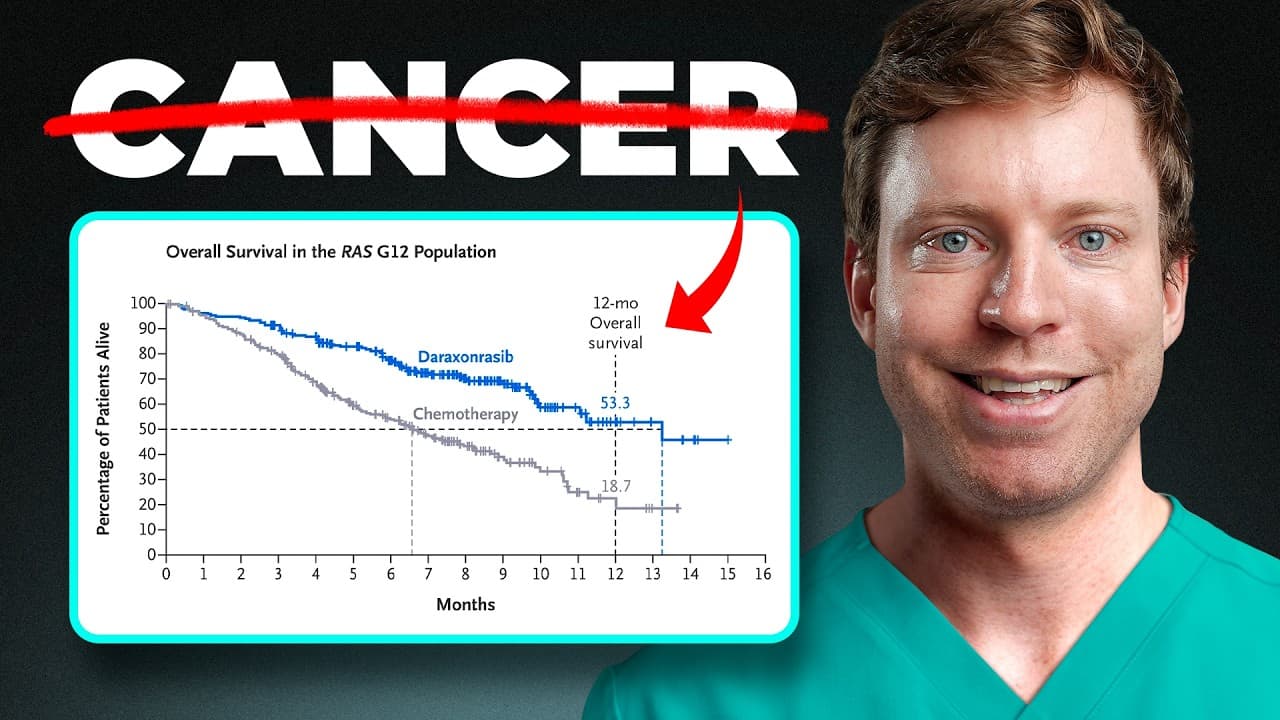
Dr Brad Stanfield
I've Never Seen Cancer Doctors React Like This
Dr Brad Stanfield
What Coffee Actually Does to Your Brain (131,821 Person Study)

Dr Brad Stanfield
Ridiculously Cheap Ways to Treat Skin Aging

Dr Brad Stanfield
Your Skin Loses 75% of This by Age 75 (New Fix)
Dr Brad Stanfield