Butter Warnings, Heart Drugs, and Creatine Breakthroughs: Lab Notes, April 20
New findings on evolocumab's hidden risks, creatine benefits in kidney patients, and a curious butter controversy
From the editor
Every day, Fit Body Science analyzes new fitness and nutrition research — checking the evidence, scoring the claims, and separating what's backed by science from what's not. Here's what we found today.
Hidden Heart Risks? Reanalysis Flags More Cardiac Deaths with Evolocumab
A new reanalysis of the landmark FOURIER trial has uncovered troubling discrepancies in how cardiac deaths were reported for patients taking evolocumab, a powerful PCSK9 inhibitor used to lower LDL cholesterol. By accessing the full Clinical Study Report (CSR)—a more detailed regulatory document than the original 2017 NEJM publication—researchers independently readjudicated cause-of-death narratives and found a numerically higher number of cardiac deaths in the evolocumab group: 113 versus 88 in the placebo group (relative risk 1.28, p=0.078). While not statistically significant, the trend raises red flags, especially given the drug’s high cost and widespread use.
Even more concerning, deaths specifically due to cardiac failure were nearly twice as high in the evolocumab group (31 vs. 16), a finding entirely absent from the original publication. Additionally, myocardial infarction deaths were undercounted in the evolocumab arm—36 identified upon reanalysis versus only 25 originally reported. These inconsistencies suggest potential selective reporting in high-impact journals.
This doesn’t mean evolocumab is dangerous for everyone, but it underscores a critical need for transparency in clinical trial data. Patients and doctors should weigh the 20% reduction in major cardiovascular events against these newly revealed mortality trends—especially in vulnerable populations.
**Independent review of the FOURIER trial data reveals more cardiac deaths with evolocumab than originally reported, suggesting potential underreporting of serious risks.**
See the evidence breakdown
“Hidden Heart Risks? Reanalysis Flags More Cardiac Deaths with Evolocumab”
**Independent review of the FOURIER trial data reveals more cardiac deaths with evolocumab than originally reported, suggesting potential underreporting of serious risks.**
Creatine Boosts Muscle Mass in Hemodialysis Patients, Year-Long Trial Shows
For patients on hemodialysis, muscle wasting and malnutrition are common and debilitating. A new 12-month, double-blind study tested whether daily creatine supplementation could help—and the results are promising. Participants who took 5 grams of creatine monohydrate per day saw a statistically significant increase in fat-free mass compared to those on placebo. Notably, 60% of creatine users gained muscle, versus only 36.8% in the control group.
This is especially significant because chronic kidney disease (CKD) often leads to inflammation and metabolic imbalances that accelerate muscle loss. Creatine, known for enhancing energy production in muscle cells, may help counteract this catabolic state. While the study didn’t find major changes in the Malnutrition-Inflammation Score (MIS), the improvement in body composition is a meaningful clinical win.
The safety profile was favorable, with no serious adverse events linked to creatine. Given its low cost and wide availability, this could be a practical intervention for improving quality of life in CKD patients—though larger trials are needed to confirm long-term benefits.
**Daily creatine supplementation significantly increases fat-free mass in hemodialysis patients, offering a potential tool against muscle loss in chronic kidney disease.**
See the evidence breakdown
“Creatine Boosts Muscle Mass in Hemodialysis Patients, Year-Long Trial Shows”
**Daily creatine supplementation significantly increases fat-free mass in hemodialysis patients, offering a potential tool against muscle loss in chronic kidney disease.**
Evolocumab Cuts Major Cardiovascular Events by 20%, Confirms Trial Data
Despite emerging safety concerns, the cardiovascular benefits of evolocumab remain well-supported. The original FOURIER trial confirmed that adding evolocumab to statin therapy in high-risk patients with atherosclerotic cardiovascular disease reduces the risk of major adverse cardiovascular events (MACE) by 20%. These events include heart attack, stroke, and hospitalization for unstable angina.
The mechanism is clear: evolocumab powerfully lowers LDL cholesterol by inhibiting PCSK9, a protein that degrades LDL receptors. Patients in the trial had baseline LDL levels ≥70 mg/dL despite statin use, and evolocumab drove those levels down dramatically—often below 30 mg/dL. This deep lipid lowering appears to translate into real-world protection against acute cardiac events.
While the mortality data now raises questions (see above), the reduction in non-fatal events is a major win for preventive cardiology. For patients at very high risk, the benefit-risk balance may still favor use—especially if monitored carefully.
**Evolocumab reduces major cardiovascular events by 20% in high-risk patients already on statins, reinforcing its role in preventive care.**
See the evidence breakdown
“Evolocumab Cuts Major Cardiovascular Events by 20%, Confirms Trial Data”
**Evolocumab reduces major cardiovascular events by 20% in high-risk patients already on statins, reinforcing its role in preventive care.**
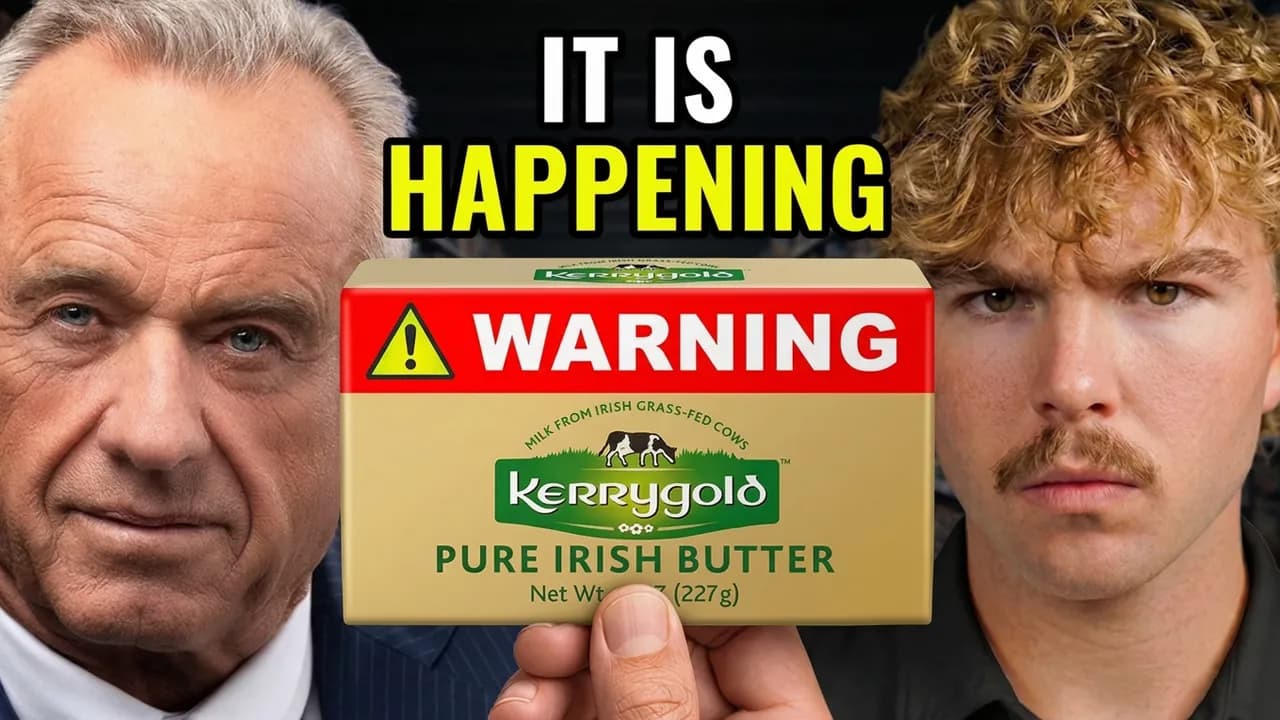
Butter Under Fire? Viral Video Sparks Labeling Panic—But Evidence Lacking
A viral video titled No Seriously... They're Putting a WARNING Label on Butter is making waves online, suggesting that butter—a long-maligned but recently rehabilitated fat—is now facing new regulatory scrutiny. The video offers no evidence, sources, or context, yet it’s fueling fears that natural foods are being unfairly targeted.
Public health agencies and food regulators have not issued any new warnings about butter consumption. While high in saturated fat, recent meta-analyses have downplayed its direct link to heart disease, and dietary guidelines now focus more on overall dietary patterns than single nutrients.
The video appears to be click-driven speculation rather than science. At this time, there is no movement to label butter with health warnings—unlike, say, tobacco or trans fats. Consumers should remain skeptical of sensational claims lacking citations or regulatory backing.
**No regulatory body is proposing warning labels on butter—this viral video is misinformation without scientific or policy support.**
Watch the full analysis
Butter Under Fire? Viral Video Sparks Labeling Panic—But Evidence Lacking
The bottom line
Today’s findings highlight the dual nature of medical progress: breakthroughs like creatine’s potential in kidney disease and evolocumab’s cardiovascular benefits come alongside the need for rigorous scrutiny, as seen in the FOURIER trial reanalysis. Meanwhile, public discourse remains vulnerable to unfounded claims, like the butter labeling myth. Science thrives on transparency, replication, and skepticism—values that protect both patients and the public.
Topics
Sources & References
Butter Under Fire? Viral Video Sparks Labeling Panic—But Evidence Lacking
**No regulatory body is proposing warning labels on butter—this viral video is misinformation without scientific or policy support.**
Hidden Heart Risks? Reanalysis Flags More Cardiac Deaths with Evolocumab
**Independent review of the FOURIER trial data reveals more cardiac deaths with evolocumab than originally reported, suggesting potential underreporting of serious risks.**
Evolocumab Cuts Major Cardiovascular Events by 20%, Confirms Trial Data
**Evolocumab reduces major cardiovascular events by 20% in high-risk patients already on statins, reinforcing its role in preventive care.**
Creatine Boosts Muscle Mass in Hemodialysis Patients, Year-Long Trial Shows
**Daily creatine supplementation significantly increases fat-free mass in hemodialysis patients, offering a potential tool against muscle loss in chronic kidney disease.**