New Breakthroughs in Heart Health, Protein Absorption, and More
Lab Notes: Week of April 20, 2026
From the editor
Each week, Fit Body Science reviews the most important fitness and nutrition research — validating claims against the evidence and surfacing what actually matters. Here are this week's highlights.
Evolocumab Slashes First-Time Heart Events by 25%
In a major win for preventive cardiology, the study on evolocumab has demonstrated that early intervention with this PCSK9 inhibitor can significantly reduce the risk of first major cardiovascular events in high-risk patients who’ve never had a heart attack or stroke. The trial focused on individuals with atherosclerosis or diabetes and LDL cholesterol levels of at least 90 mg/dL—many of whom would not typically qualify for aggressive lipid-lowering therapy under current guidelines.
Over 4.6 years, patients receiving evolocumab every two weeks saw a 25% reduction in major adverse cardiovascular events, including heart attack, ischemic stroke, and coronary death. The 5-year event rate dropped from 8.0% in the placebo group to just 6.2% in the treatment group—a clinically meaningful difference that could reshape how we approach primary prevention.
This finding challenges the traditional threshold for initiating advanced lipid therapy and suggests that earlier, more aggressive LDL lowering may benefit a broader population than previously thought.
**Evolocumab reduces first major cardiovascular events by 25% in high-risk patients without prior heart attack or stroke.**
See the evidence breakdown
“Evolocumab Slashes First-Time Heart Events by 25%”
**Evolocumab reduces first major cardiovascular events by 25% in high-risk patients without prior heart attack or stroke.**
How Much Protein Should You Really Eat?
A new high-scoring study dives deep into how protein dose affects amino acid absorption, particularly with casein. Researchers found that increasing casein intake from 0.24 to 0.44 g/kg body weight boosts the total amount of amino acids entering circulation—jumping from 9.4g to 13.0g over five hours. This suggests higher doses deliver more raw material for muscle repair and growth.
However, there’s a catch: the proportional absorption rate drops from 47% to 41% at higher doses. This likely means the digestive system can’t fully break down large amounts of casein within the measurement window, leading to incomplete digestion.
What does this mean for lifters and fitness enthusiasts?
- Larger protein doses increase total amino acid availability
- But efficiency per gram decreases
- Spreading protein intake across meals may optimize absorption
This supports the idea that timing and distribution matter as much as total daily protein.
**Higher casein doses increase total amino acid delivery but reduce proportional absorption, suggesting an upper limit to digestive efficiency.**
See the evidence breakdown
“How Much Protein Should You Really Eat?”
**Higher casein doses increase total amino acid delivery but reduce proportional absorption, suggesting an upper limit to digestive efficiency.**
Free Amino Acids vs. Whole Protein: What’s Better for Muscle?
A double-blind randomized trial directly compared 30 grams of free amino acids to an equivalent amount of intact milk protein in young adults. The results? Free amino acids led to faster absorption and higher peak plasma amino acid levels—ideal for rapid post-workout availability.
Despite this kinetic advantage, the study found no difference in muscle protein synthesis rates between the two forms. This suggests that while free amino acids flood the bloodstream quickly, the body ultimately uses intact protein just as effectively to build muscle.
Key takeaways:
- Free amino acids offer speed, not superiority
- Whole protein supports sustained release and equal muscle growth
- For most people, intact protein sources like whey or casein remain practical and effective
This study reinforces that rapid spikes in amino acids don’t necessarily translate to better outcomes.
**Free amino acids are absorbed faster than intact protein but do not increase muscle protein synthesis in young adults.**
Read the full study review
Free Amino Acids vs. Whole Protein: What’s Better for Muscle?
**Free amino acids are absorbed faster than intact protein but do not increase muscle protein synthesis in young adults.**
How Low Should You Go on LDL Cholesterol?
For patients with established atherosclerotic cardiovascular disease, how aggressively should LDL cholesterol be lowered? A new trial compared targeting LDL below 55 mg/dL versus below 70 mg/dL over three years. The results showed that the lower target was associated with a modest but significant reduction in cardiovascular events.
While the absolute benefit was smaller than seen with evolocumab in primary prevention, the trend supports the 'lower is better' paradigm in high-risk populations. Achieving these levels typically requires combination therapy—statins, ezetimibe, and often PCSK9 inhibitors.
The study adds to growing evidence that intensive lipid management can yield long-term benefits, especially in those with existing disease. However, clinicians must weigh the benefits against potential side effects and treatment burden.
**Targeting LDL cholesterol below 55 mg/dL reduces cardiovascular events more than targeting below 70 mg/dL in high-risk patients.**
Read the full study review
How Low Should You Go on LDL Cholesterol?
**Targeting LDL cholesterol below 55 mg/dL reduces cardiovascular events more than targeting below 70 mg/dL in high-risk patients.**
Protein Digestion Varies by Type, Dose, and Age
A comprehensive study explored how three key factors—protein type, dose, and age—influence protein digestion and amino acid absorption. Using phenylalanine as a tracer, researchers tracked how quickly and completely different proteins are broken down and utilized in the body.
Findings showed that both the form of protein (whey vs. casein vs. plant-based) and the amount consumed significantly affect absorption kinetics. Older adults also exhibited slower digestion and lower plasma amino acid availability, suggesting age-related declines in digestive efficiency.
This has real-world implications:
- Older individuals may benefit from higher protein doses or more rapidly digested forms
- Younger adults can efficiently process a wider range of protein types
- Personalizing protein intake based on age and goals could optimize outcomes
The study underscores that one-size-fits-all protein recommendations may be outdated.
**Protein type, dose, and age significantly influence digestion speed, amino acid absorption, and plasma availability.**
Read the full study review
Protein Digestion Varies by Type, Dose, and Age
**Protein type, dose, and age significantly influence digestion speed, amino acid absorption, and plasma availability.**
Viral Video Claims: Do Everyday Foods Feed Cancer?
A widely shared video titled Everyday Foods that Feed CANCER Cells has sparked concern by suggesting common foods fuel cancer growth. However, our analysis gives it a low scientific support score of 36.0 out of 100, with 13.0 points against due to oversimplification and lack of mechanistic evidence.
The video relies on the flawed premise that sugar or specific foods 'feed' cancer more than healthy cells—ignoring that all cells use glucose. While diet plays a role in cancer risk, the claim that eliminating certain foods starves cancer is not supported by clinical evidence.
Nutrition can modulate cancer risk, but fear-based messaging does more harm than good. Focus instead on evidence-backed strategies: maintain a healthy weight, limit processed meats, and eat a balanced, plant-rich diet.
**The claim that everyday foods directly feed cancer cells is oversimplified and lacks strong scientific support.**
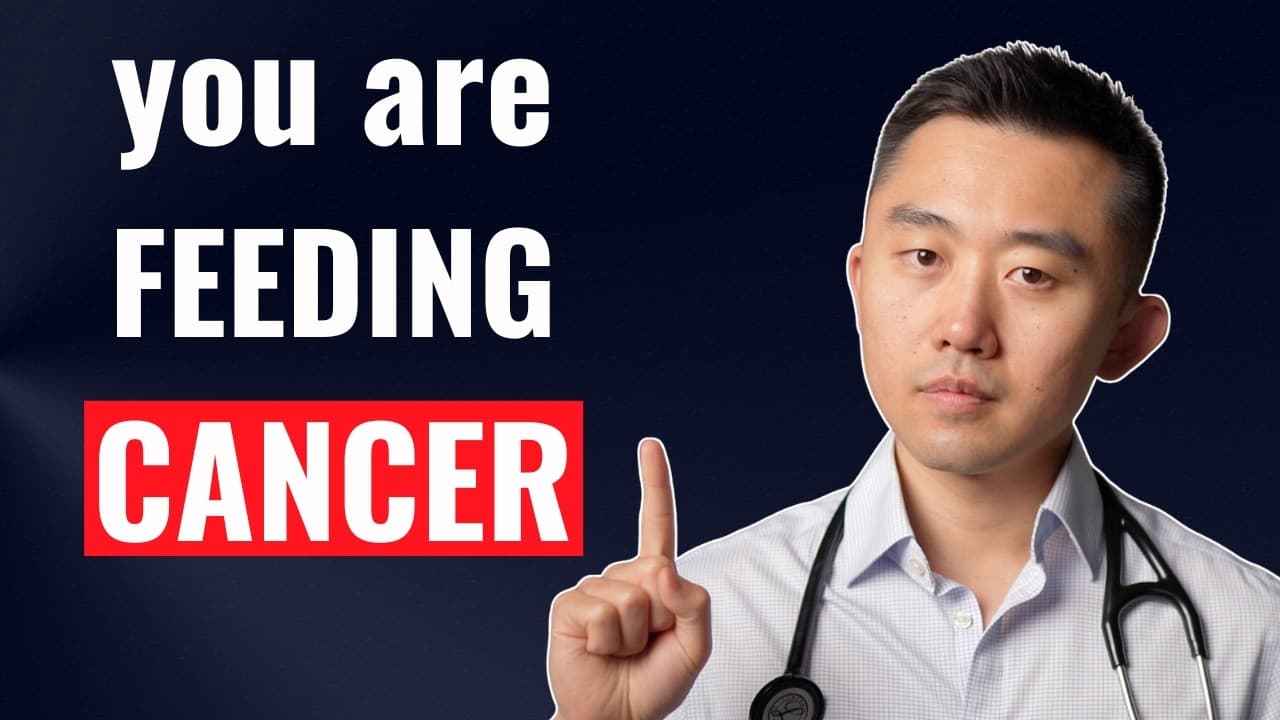
Watch the full analysis
Viral Video Claims: Do Everyday Foods Feed Cancer?
New Lifting Hacks Backed by Science—Or Not?
A popular video titled 7 Dazzling New Studies For Serious Lifters promises cutting-edge insights for strength athletes. With a pro score of 62.0 and against score of 14.0, it contains some valid points but mixes them with hype and selective reporting.
While the video references real studies on protein timing, recovery, and supplementation, it often exaggerates effects and omits context—such as subject populations, dosages, or study limitations. For example, it highlights a study on leucine but fails to mention it was done in older adults, not elite lifters.
Consumers should approach such content critically. Look for:
- Clear citations
- Balanced interpretation
- Applicability to your goals
Not every 'dazzling' finding translates to real-world gains.
**While the video highlights some real research, it exaggerates findings and lacks scientific nuance.**

Watch the full analysis
New Lifting Hacks Backed by Science—Or Not?
The bottom line
This week’s findings highlight a shift toward precision in both cardiovascular prevention and nutrition science. From redefining LDL targets to optimizing protein absorption based on age and dose, the data underscores that one-size-fits-all advice is fading. Meanwhile, viral fitness content continues to blur the line between science and sensationalism—making critical evaluation more important than ever.
Topics
Sources & References
New Lifting Hacks Backed by Science—Or Not?
**While the video highlights some real research, it exaggerates findings and lacks scientific nuance.**
Viral Video Claims: Do Everyday Foods Feed Cancer?
**The claim that everyday foods directly feed cancer cells is oversimplified and lacks strong scientific support.**
Protein Digestion Varies by Type, Dose, and Age
**Protein type, dose, and age significantly influence digestion speed, amino acid absorption, and plasma availability.**
How Low Should You Go on LDL Cholesterol?
**Targeting LDL cholesterol below 55 mg/dL reduces cardiovascular events more than targeting below 70 mg/dL in high-risk patients.**
Free Amino Acids vs. Whole Protein: What’s Better for Muscle?
**Free amino acids are absorbed faster than intact protein but do not increase muscle protein synthesis in young adults.**
Evolocumab Slashes First-Time Heart Events by 25%
**Evolocumab reduces first major cardiovascular events by 25% in high-risk patients without prior heart attack or stroke.**
How Much Protein Should You Really Eat?
**Higher casein doses increase total amino acid delivery but reduce proportional absorption, suggesting an upper limit to digestive efficiency.**