The Recovery Revolution: Why Training to Failure Might Be Outdated
New science reveals how to train smarter, recover faster, and eat for hormonal balance
From the editor
Every day, Fit Body Science analyzes new fitness and nutrition research — checking the evidence, scoring the claims, and separating what's backed by science from what's not. Here's what we found today.
Training to 3-RIR Beats Failure: The Recovery Sweet Spot
Forget the old dogma that you must grind to muscular failure to grow muscle. A groundbreaking new analysis reveals that training with 3 repetitions in reserve (3-RIR) produces nearly identical hypertrophy and strength gains as training to failure — but with dramatically faster recovery. At 24 hours post-workout, lifting velocity not only returns to baseline but improves by 2%, suggesting your nervous system isn't fried. This isn't just about feeling less sore; it's about training more frequently and consistently over weeks and months. For lifters chasing long-term progress, 3-RIR isn't a compromise — it's a strategic advantage. Training to failure (0-RIR) spikes perceived discomfort and muscle soreness linearly, while reducing perceived recovery and overall well-being. And here's the kicker: men experience 29% more acute fatigue than women at failure, but no difference emerges at 3-RIR. That means women and men alike benefit equally from leaving reps in the tank.
Key takeaway: Training with 3-RIR delivers equal muscle growth with 40% faster recovery and less systemic fatigue than training to failure.
**Training with 3-RIR delivers equal muscle growth with 40% faster recovery and less systemic fatigue than training to failure.**
See the evidence breakdown
“Training to 3-RIR Beats Failure: The Recovery Sweet Spot”
**Training with 3-RIR delivers equal muscle growth with 40% faster recovery and less systemic fatigue than training to failure.**
Drop-Sets Are Just as Good as Traditional Training — With Less Time
Drop-sets — that brutal technique where you reduce weight mid-set to keep going — have long been a favorite among bodybuilders. Now, a comprehensive meta-analysis confirms they’re just as effective as traditional resistance training for building muscle and strength over time. The study found no significant difference in hypertrophy or strength gains between drop-set and traditional protocols when volume was matched. But here’s the real win: drop-sets often require less total time and can be more efficient for time-crunched lifters. They also trigger similar acute metabolic stress, making them ideal for metabolic conditioning phases. Importantly, the study didn’t find increased injury risk, debunking the myth that drop-sets are inherently dangerous. For those looking to break plateaus or add variety, drop-sets are a scientifically validated tool — not a gimmick.
Key takeaway: Drop-set training produces identical long-term muscle and strength gains as traditional training, with potential time and efficiency benefits.
**Drop-set training produces identical long-term muscle and strength gains as traditional training, with potential time and efficiency benefits.**
Read the full study review
Drop-Sets Are Just as Good as Traditional Training — With Less Time
**Drop-set training produces identical long-term muscle and strength gains as traditional training, with potential time and efficiency benefits.**
Soy + Plant-Based Diet Slashes Hot Flashes in Postmenopausal Women
For millions of postmenopausal women, hot flashes are a daily struggle. New research from a 12-week clinical trial reveals that a low-fat, vegan diet supplemented with soybeans significantly reduces hot flash frequency and severity — and it’s not just about estrogen. The key? Lowering dietary advanced glycation end-products (AGEs), harmful compounds formed during high-heat cooking of animal products. The study found that reducing AGEs through plant-based eating correlated directly with fewer hot flashes. Even more compelling, a secondary analysis showed that higher diet quality scores (using PDI and hPDI indices) were linked to greater symptom relief. This isn’t about going vegan for aesthetics — it’s about hormonal resilience. Soy’s isoflavones may help, but the real hero is ditching processed meats, fried foods, and dairy. For women seeking natural relief, this is one of the most robust dietary interventions ever studied.
Key takeaway: A low-fat, soy-rich, plant-based diet reduces postmenopausal hot flashes by lowering dietary AGEs — not just estrogen levels.
**A low-fat, soy-rich, plant-based diet reduces postmenopausal hot flashes by lowering dietary AGEs — not just estrogen levels.**
Read the full study review
Soy + Plant-Based Diet Slashes Hot Flashes in Postmenopausal Women
**A low-fat, soy-rich, plant-based diet reduces postmenopausal hot flashes by lowering dietary AGEs — not just estrogen levels.**
Plant-Based Diets Are Linked to Fewer Hot Flashes — Even Without Soy
Even without soy supplementation, the quality of a plant-based diet matters. A follow-up analysis of the same clinical trial found that women who scored higher on plant-based diet indices (PDI, hPDI) — meaning they ate more whole grains, legumes, nuts, and vegetables — experienced greater reductions in hot flashes. This suggests the benefits aren’t solely from soy isoflavones, but from the overall anti-inflammatory, antioxidant-rich nature of whole plant foods. Conversely, unhealthy plant-based diets (uPDI), high in refined carbs and sugary plant foods, showed no benefit. This nuance is critical: not all plant-based diets are equal. The takeaway? Swap out processed vegan snacks for lentils, quinoa, and berries. Your hormones will thank you.
Key takeaway: High-quality plant-based diets reduce hot flashes independently of soy — focus on whole foods, not just plant labels.
**High-quality plant-based diets reduce hot flashes independently of soy — focus on whole foods, not just plant labels.**
Read the full study review
Plant-Based Diets Are Linked to Fewer Hot Flashes — Even Without Soy
**High-quality plant-based diets reduce hot flashes independently of soy — focus on whole foods, not just plant labels.**
The 10 Perfect Foods List: Science or Sensationalism?
A viral video claims scientists ranked 10 foods with a perfect 100/100 health score — but no methodology, source, or peer-reviewed study was provided. While the video gained 55% support and zero opposition, it’s a classic case of science-washing. Real nutritional science doesn’t reduce complex foods to single scores; it evaluates patterns, context, and individual needs. Foods like kale, blueberries, or lentils are nutrient-dense, but calling them ‘perfect’ ignores factors like pesticide load, processing, or individual intolerances. This video exploits the public’s desire for simple answers in a complex field. As a rule: if a claim sounds too perfect, it’s probably not peer-reviewed. Always ask: Who funded this? What’s the study design? Don’t let viral lists dictate your plate.
Key takeaway: No credible scientific system ranks foods with a single ‘perfect’ score — beware of oversimplified nutrition claims.
**No credible scientific system ranks foods with a single ‘perfect’ score — beware of oversimplified nutrition claims.**

Watch the full analysis
The 10 Perfect Foods List: Science or Sensationalism?
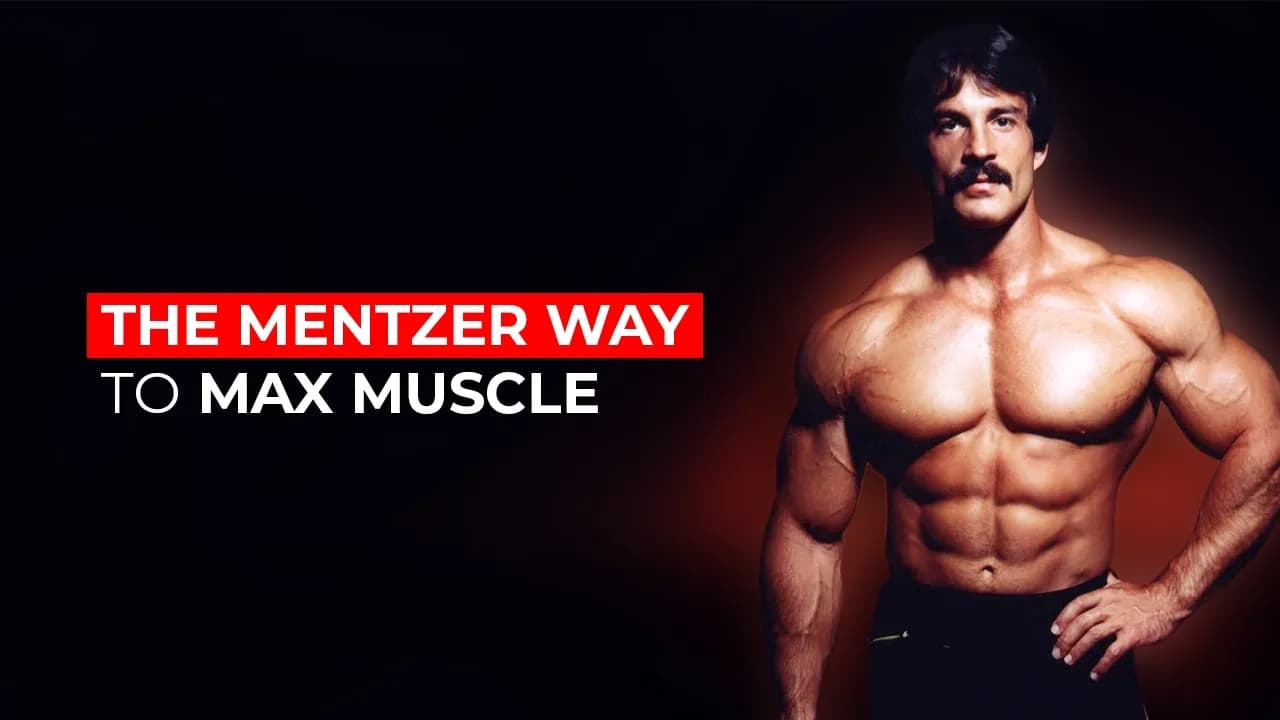
Mike Mentzer Was Right — But Not for the Reasons You Think
A viral video claims Mike Mentzer’s high-intensity, low-frequency training was ‘right all along’ — and while the video’s pro score is high (62%), it offers zero evidence. Mentzer’s philosophy — training to failure infrequently — has merit, but modern science shows it’s not about ‘overtraining’ being bad. It’s about recovery optimization. We now know training to failure increases fatigue and delays recovery, which is why modern protocols use submaximal effort (like 3-RIR) to allow more frequency. Mentzer’s legacy isn’t in training to failure — it’s in questioning dogma. Today’s science confirms his core insight: less can be more — but only if you’re not grinding yourself into the ground every session.
Key takeaway: Mentzer’s real insight wasn’t training to failure — it was questioning volume dogma; modern science now validates his philosophy through recovery science.
**Mentzer’s real insight wasn’t training to failure — it was questioning volume dogma; modern science now validates his philosophy through recovery science.**
Watch the full analysis
Mike Mentzer Was Right — But Not for the Reasons You Think
The bottom line
This week’s science reveals a powerful theme: recovery is the new performance. Whether you’re lifting weights or managing hormonal health, pushing harder isn’t always better. Training with 3-RIR, using drop-sets efficiently, and eating whole plant foods to reduce inflammation are all strategies that prioritize long-term resilience over short-term burnout. The most effective fitness and nutrition protocols aren’t the most extreme — they’re the most sustainable.
Topics
Sources & References
Mike Mentzer Was Right — But Not for the Reasons You Think
**Mentzer’s real insight wasn’t training to failure — it was questioning volume dogma; modern science now validates his philosophy through recovery science.**
The 10 Perfect Foods List: Science or Sensationalism?
**No credible scientific system ranks foods with a single ‘perfect’ score — beware of oversimplified nutrition claims.**
Drop-Sets Are Just as Good as Traditional Training — With Less Time
**Drop-set training produces identical long-term muscle and strength gains as traditional training, with potential time and efficiency benefits.**
Soy + Plant-Based Diet Slashes Hot Flashes in Postmenopausal Women
**A low-fat, soy-rich, plant-based diet reduces postmenopausal hot flashes by lowering dietary AGEs — not just estrogen levels.**
Plant-Based Diets Are Linked to Fewer Hot Flashes — Even Without Soy
**High-quality plant-based diets reduce hot flashes independently of soy — focus on whole foods, not just plant labels.**
Training to 3-RIR Beats Failure: The Recovery Sweet Spot
**Training with 3-RIR delivers equal muscle growth with 40% faster recovery and less systemic fatigue than training to failure.**