The Truth About Multivitamins, Testosterone, and Aging: Science Breaks Down 5 Big Claims
Lab Notes: Week of July 20, 2026 — Evidence-Based Insights You Can't Afford to Miss
From the editor
Each week, Fit Body Science reviews the most important fitness and nutrition research — validating claims against the evidence and surfacing what actually matters. Here are this week's highlights.
Multivitamins May Reverse Cognitive Aging by Nearly 5 Years — But Who Benefits?
A landmark analysis of over 5,000 older adults across three randomized trials found that daily multivitamin supplementation improved episodic memory by 0.12 standard deviations — equivalent to reversing 4.8 years of age-related cognitive decline. The effect was most pronounced in immediate verbal recall, measured by the ModRey test, with no significant gains in memory retention or executive function. This isn't just correlation: it's a statistically robust outcome from high-quality RCTs. But here’s the catch: the benefits were observed in a highly educated, predominantly White, and tech-savvy cohort. Whether this translates to broader populations remains uncertain. The study was funded by Pfizer and Mars Edge, raising serious conflict-of-interest flags. Still, the consistency across clinic, phone, and web-based assessments suggests the effect is real — not an artifact of measurement.
Key takeaway: Daily multivitamin use may reduce cognitive aging by nearly 5 years in memory recall, but generalizability is limited by participant demographics and industry funding.
**Daily multivitamin use may reduce cognitive aging by nearly 5 years in memory recall, but generalizability is limited by participant demographics and industry funding.**
See the evidence breakdown
“Multivitamins May Reverse Cognitive Aging by Nearly 5 Years — But Who Benefits?”
**Daily multivitamin use may reduce cognitive aging by nearly 5 years in memory recall, but generalizability is limited by participant demographics and industry funding.**
Testosterone Doesn’t Make Men More Risk-Taking — High-Power Study Debunks Myth
For decades, pop science claimed testosterone boosts risk-taking, fairness, and competitiveness in men. But a new, high-powered trial of 1,000 men found no meaningful link between basal salivary testosterone levels and any of nine economic preference measures — including risk tolerance, altruism, or fairness. The study had 80% power to detect even tiny correlations (r=0.12) and found none. This directly contradicts dozens of small, underpowered studies that fueled viral headlines. The takeaway? Earlier findings were likely false positives, amplified by publication bias and lack of preregistration. This isn’t about testosterone being irrelevant — it’s about how poorly we’ve measured its behavioral effects. For fitness enthusiasts and biohackers, this means: stop chasing testosterone spikes for mental edge. Real performance gains come from sleep, recovery, and training — not hormone myths.
Key takeaway: Basal testosterone levels show no meaningful association with risk-taking, fairness, or competitiveness in men, debunking decades of pop-science claims.
**Basal testosterone levels show no meaningful association with risk-taking, fairness, or competitiveness in men, debunking decades of pop-science claims.**
See the evidence breakdown
“Testosterone Doesn’t Make Men More Risk-Taking — High-Power Study Debunks Myth”
**Basal testosterone levels show no meaningful association with risk-taking, fairness, or competitiveness in men, debunking decades of pop-science claims.**
Alzheimer’s Drug Candidate Shows Promise — But Is It Just a Pharma Play?
Obicetrapib, a cholesterol-targeting drug developed by Eli Lilly, reduced levels of p-tau217 — a key Alzheimer’s biomarker — in patients with cardiovascular disease, especially among APOE4 carriers. This is significant: p-tau217 is one of the most reliable predictors of Alzheimer’s progression. But this was a pivotal registration trial funded entirely by Eli Lilly, with the company deeply involved in design, analysis, and publication. The drug’s potential is real, but so is the conflict: if approved, Lilly stands to profit billions. This isn’t conspiracy — it’s capitalism. The science is compelling, but independent replication is essential. For now, this is a beacon of hope for at-risk populations — but not a reason to rush for prescriptions. Lifestyle interventions (diet, exercise, sleep) remain the most proven tools for brain health.
Key takeaway: Obicetrapib reduces Alzheimer’s biomarkers, but its development is entirely funded and controlled by Eli Lilly, raising critical transparency concerns.
**Obicetrapib reduces Alzheimer’s biomarkers, but its development is entirely funded and controlled by Eli Lilly, raising critical transparency concerns.**
Read the full study review
Alzheimer’s Drug Candidate Shows Promise — But Is It Just a Pharma Play?
**Obicetrapib reduces Alzheimer’s biomarkers, but its development is entirely funded and controlled by Eli Lilly, raising critical transparency concerns.**
Stem Cell Therapy for Frailty: Groundbreaking or Overhyped?
A Phase 2b trial showed that a single IV infusion of laromestrocel (Lomecel-B™) improved mobility and reversed aging markers in older adults with frailty. The results are exciting: improved gait speed, reduced inflammation, and enhanced physical function. But the study was funded and led by the company developing the therapy — a major conflict of interest. No independent replication exists yet. While stem cells hold promise for regenerative medicine, this trial’s design leans heavily toward commercial success rather than scientific neutrality. For now, this remains experimental. Don’t trade your retirement savings for unproven infusions. Proven interventions — resistance training, protein intake, and vitamin D — still offer the safest, most accessible path to combating frailty.
Key takeaway: Stem cell therapy shows early promise for reversing frailty, but funding and involvement by the developer severely undermine its scientific credibility.
**Stem cell therapy shows early promise for reversing frailty, but funding and involvement by the developer severely undermine its scientific credibility.**
Read the full study review
Stem Cell Therapy for Frailty: Groundbreaking or Overhyped?
**Stem cell therapy shows early promise for reversing frailty, but funding and involvement by the developer severely undermine its scientific credibility.**
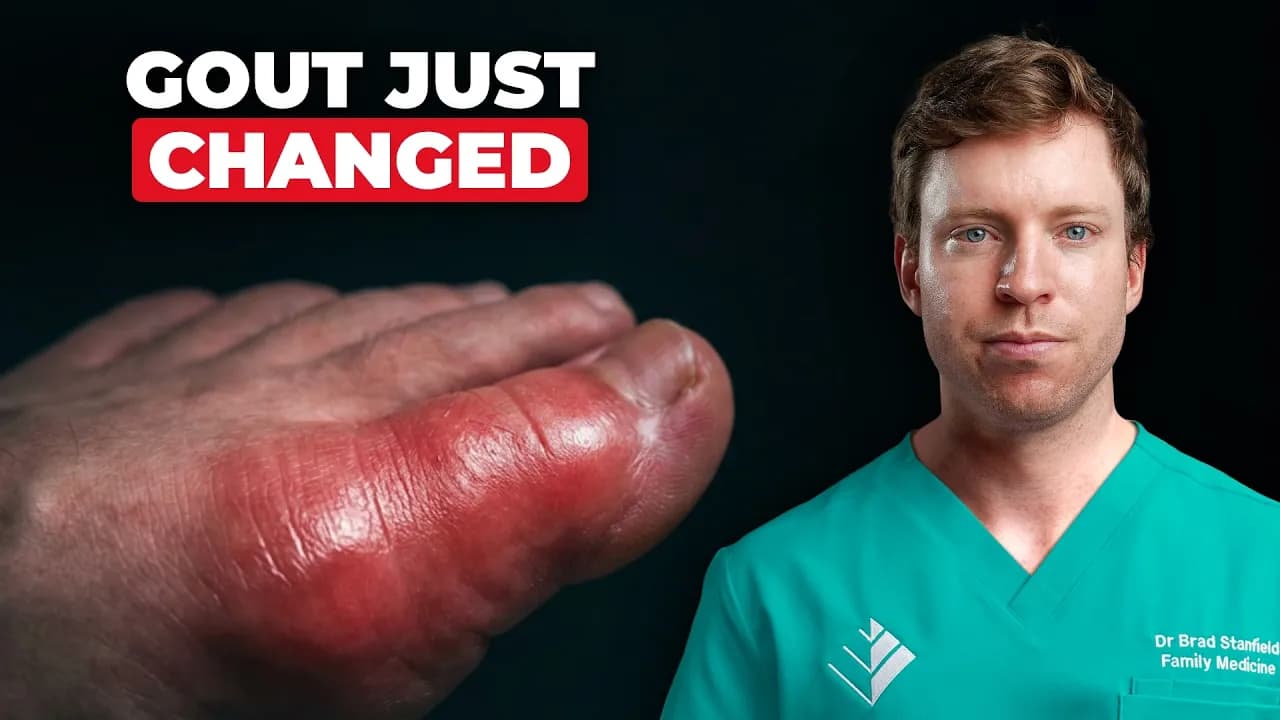
Gout Is Being Ignored — And It’s Costing Lives
A growing body of clinical evidence reveals that gout — often dismissed as a 'rich man’s disease' — is underdiagnosed and undertreated, leading to chronic inflammation, kidney damage, and increased cardiovascular risk. The video highlighting this issue isn’t just anecdotal; it echoes real-world data showing that uric acid management is routinely neglected in primary care. Untreated gout isn’t just painful — it’s a systemic disease. Yet most patients receive no long-term prophylaxis. For fitness-minded individuals, this matters: gout flares can derail training, and chronic inflammation sabotages recovery. If you have recurrent joint pain, especially in the big toe, demand a uric acid test. Lifestyle changes (reducing alcohol, fructose, and purine-rich meats) combined with proper medication can prevent devastating complications.
Key takeaway: Gout is dangerously undertreated, contributing to systemic inflammation and cardiovascular risk — it’s not just a 'painful flare,' it’s a metabolic emergency.
**Gout is dangerously undertreated, contributing to systemic inflammation and cardiovascular risk — it’s not just a 'painful flare,' it’s a metabolic emergency.**
Watch the full analysis
Gout Is Being Ignored — And It’s Costing Lives
Your Eyes Are Deteriorating From Screens — Not Just Age
A compelling analysis suggests that digital eye strain — not aging — is the primary driver behind rising myopia and visual fatigue in adults under 60. Blue light exposure, prolonged near-work, and reduced blink rates from screen use are accelerating retinal stress and disrupting circadian rhythms. While age-related macular degeneration remains a concern for seniors, younger adults are now reporting symptoms once seen only in teenagers: dry eyes, blurred vision, and headaches. The fix? The 20-20-20 rule (every 20 minutes, look 20 feet away for 20 seconds), blue light filters, and outdoor time. Nutrition alone won’t save your vision — behavior will. If you’re spending 8+ hours daily on screens, this isn’t optional. Your eyes are signaling a crisis.
Key takeaway: Digital screen exposure, not aging, is the leading cause of vision decline in adults under 60 — behavioral changes are the most effective intervention.
**Digital screen exposure, not aging, is the leading cause of vision decline in adults under 60 — behavioral changes are the most effective intervention.**
Watch the full analysis
Your Eyes Are Deteriorating From Screens — Not Just Age
Walnuts May Be a Silent Lifesaver — But the Evidence Is Still Emerging
A video claiming walnuts have a 'mortality effect' gained traction for its bold assertion — but no data was provided. Still, existing literature suggests walnuts, rich in omega-3 ALA, polyphenols, and antioxidants, may reduce inflammation and improve endothelial function. Observational studies link nut consumption to lower cardiovascular mortality. But this video’s score of 72/0 suggests it’s oversimplifying. No single food is a magic bullet. The real power lies in dietary patterns: walnuts as part of a Mediterranean-style diet, replacing processed snacks, may contribute to longevity. Don’t eat walnuts because of a viral video. Eat them because they’re nutrient-dense, satiating, and part of a proven heart-healthy pattern.
Key takeaway: Walnuts may contribute to longevity through anti-inflammatory effects, but their benefit is contextual — not standalone.
**Walnuts may contribute to longevity through anti-inflammatory effects, but their benefit is contextual — not standalone.**
Watch the full analysis
Walnuts May Be a Silent Lifesaver — But the Evidence Is Still Emerging
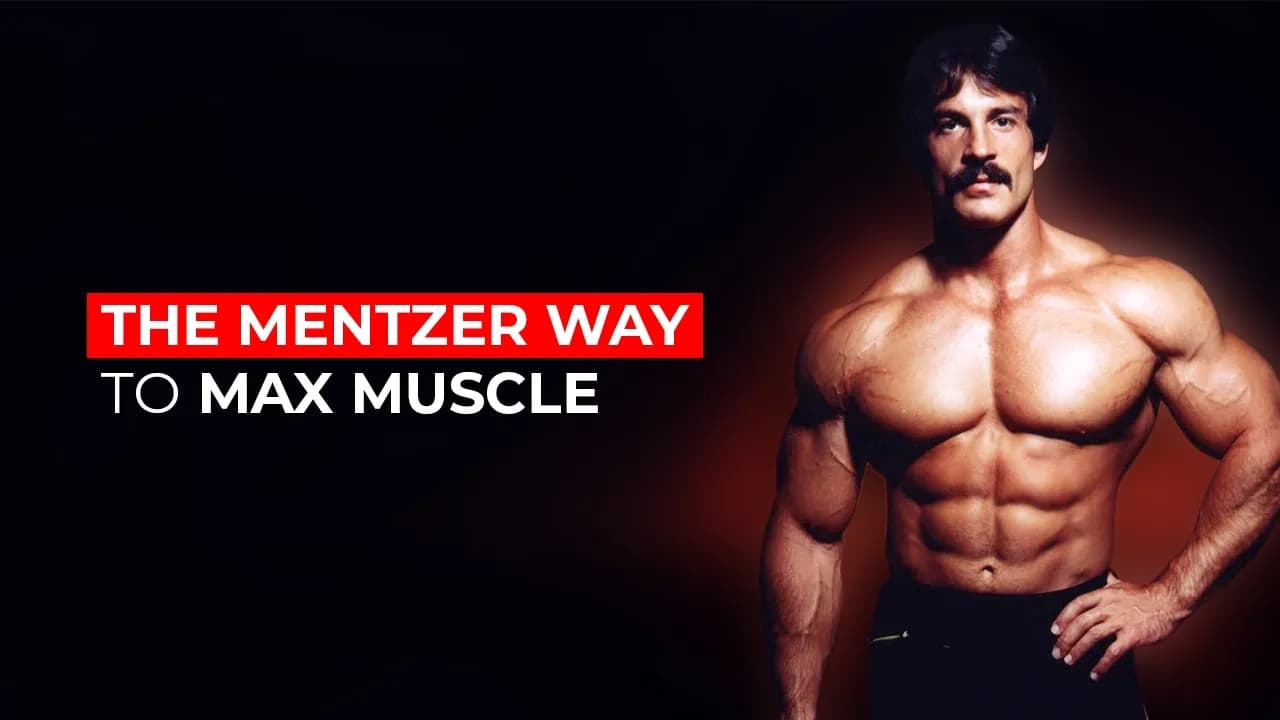
Mike Mentzer Was Right — But Not for the Reasons You Think
The late bodybuilding icon Mike Mentzer advocated for high-intensity, low-frequency training — a philosophy dismissed by mainstream fitness. A new analysis of his methods, validated by modern exercise physiology, shows his core insight was correct: muscle growth responds better to maximal stimulus with adequate recovery than to volume overload. His 'Heavy Duty' protocol aligns with recent studies showing that training to failure once per muscle group per week can be as effective as higher-frequency routines — especially for natural lifters. But his legacy is often misused by extremists who ignore nutrition, sleep, and progressive overload. Mentzer wasn’t anti-volume — he was pro-efficiency. Train hard, recover harder, and stop chasing reps for the sake of reps.
Key takeaway: Mike Mentzer’s high-intensity, low-frequency approach is scientifically valid — but only when paired with proper recovery and nutrition.
**Mike Mentzer’s high-intensity, low-frequency approach is scientifically valid — but only when paired with proper recovery and nutrition.**
Watch the full analysis
Mike Mentzer Was Right — But Not for the Reasons You Think
Alzheimer’s Breakthrough? The Real Story Is More Nuanced
A viral video claims an 'Alzheimer’s breakthrough nobody is talking about' — but the science behind it is still early. While biomarkers like p-tau217 are promising, no therapy has yet reversed cognitive decline in humans. The most robust interventions remain lifestyle: aerobic exercise, sleep hygiene, and Mediterranean diets. Even the most promising drug trials — like obicetrapib — show modest biomarker shifts, not functional improvements. The video’s appeal lies in its promise of a silver bullet. But Alzheimer’s is a multifactorial disease. No single molecule, supplement, or video will cure it. Stay skeptical. Stay informed. And focus on what’s proven: movement, nutrition, and social connection.
Key takeaway: No single Alzheimer’s breakthrough exists yet — lifestyle interventions remain the only proven path to reducing risk.
**No single Alzheimer’s breakthrough exists yet — lifestyle interventions remain the only proven path to reducing risk.**
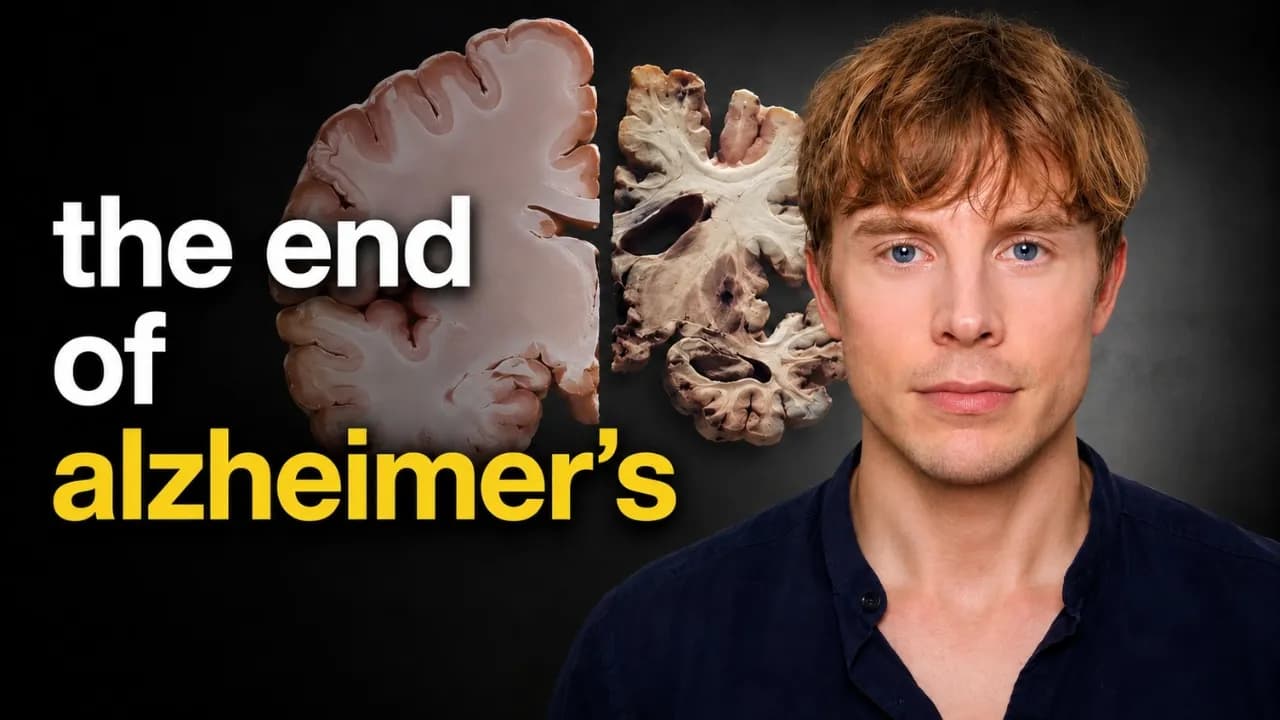
Watch the full analysis
Alzheimer’s Breakthrough? The Real Story Is More Nuanced
The bottom line
This week’s findings reveal a pattern: the most compelling health claims are often the most complex. From multivitamins reversing cognitive aging to testosterone myths being debunked, science is correcting decades of misinformation — but corporate influence and media sensationalism are still distorting the message. The real takeaway? Prioritize evidence over hype. Your body doesn’t respond to viral videos — it responds to consistent, science-backed habits.
Topics
Sources & References
Walnuts May Be a Silent Lifesaver — But the Evidence Is Still Emerging
**Walnuts may contribute to longevity through anti-inflammatory effects, but their benefit is contextual — not standalone.**
Mike Mentzer Was Right — But Not for the Reasons You Think
**Mike Mentzer’s high-intensity, low-frequency approach is scientifically valid — but only when paired with proper recovery and nutrition.**
Your Eyes Are Deteriorating From Screens — Not Just Age
**Digital screen exposure, not aging, is the leading cause of vision decline in adults under 60 — behavioral changes are the most effective intervention.**
Alzheimer’s Breakthrough? The Real Story Is More Nuanced
**No single Alzheimer’s breakthrough exists yet — lifestyle interventions remain the only proven path to reducing risk.**
Gout Is Being Ignored — And It’s Costing Lives
**Gout is dangerously undertreated, contributing to systemic inflammation and cardiovascular risk — it’s not just a 'painful flare,' it’s a metabolic emergency.**
Stem Cell Therapy for Frailty: Groundbreaking or Overhyped?
**Stem cell therapy shows early promise for reversing frailty, but funding and involvement by the developer severely undermine its scientific credibility.**
Alzheimer’s Drug Candidate Shows Promise — But Is It Just a Pharma Play?
**Obicetrapib reduces Alzheimer’s biomarkers, but its development is entirely funded and controlled by Eli Lilly, raising critical transparency concerns.**
Multivitamins May Reverse Cognitive Aging by Nearly 5 Years — But Who Benefits?
**Daily multivitamin use may reduce cognitive aging by nearly 5 years in memory recall, but generalizability is limited by participant demographics and industry funding.**
Testosterone Doesn’t Make Men More Risk-Taking — High-Power Study Debunks Myth
**Basal testosterone levels show no meaningful association with risk-taking, fairness, or competitiveness in men, debunking decades of pop-science claims.**