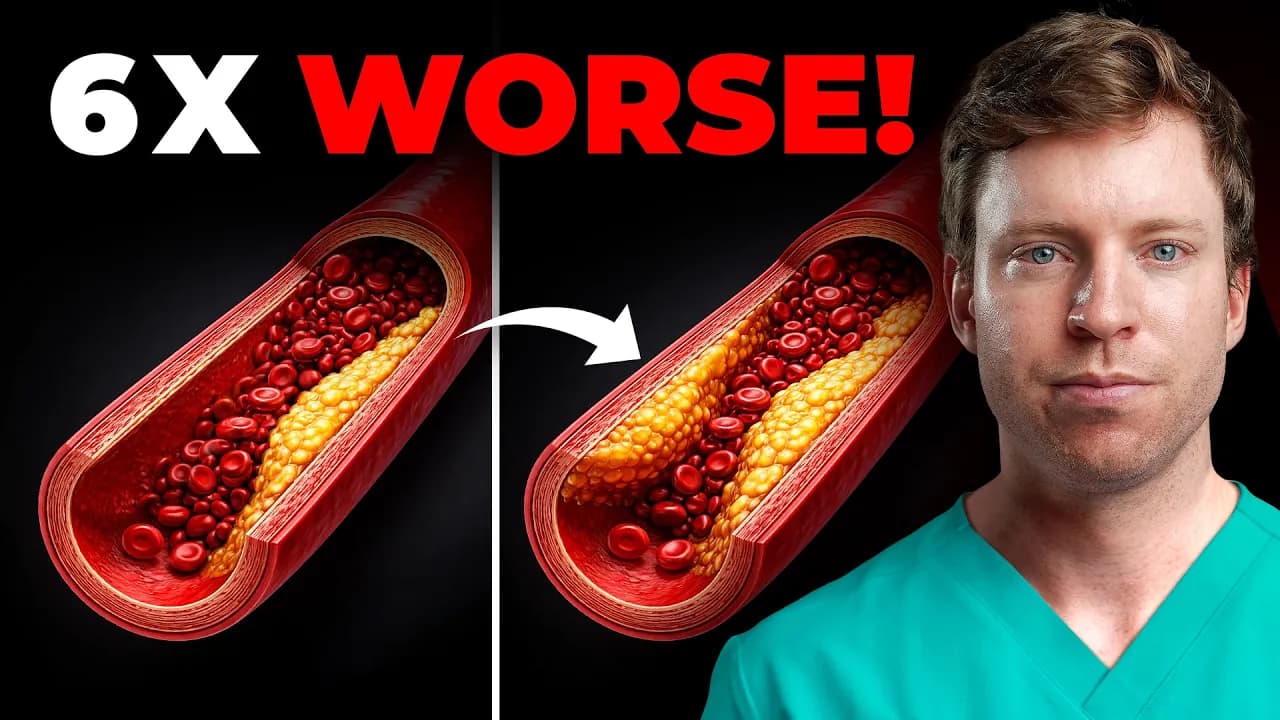
Statin use lowers heart disease risk significantly despite minor side effect concerns.
Original: The 30-Year Statin Panic Is Finally Over
TL;DR
Clinical evidence strongly supports statins as safe and effective for reducing cardiovascular risk, with most side effects attributable to psychological expectations rather than drug toxicity.
Quick Answer
Yes, the so-called 'statin panic'—driven by widespread fear of side effects like muscle pain, memory loss, and diabetes—is largely unfounded according to robust clinical evidence. Most reported side effects are due to the nocebo effect, where patients experience symptoms because they expect harm, not because the drug is causing them. Blinded trials show no significant difference in muscle symptoms between statins and placebos, and the benefits of statins in preventing heart attacks and strokes far outweigh the small increased risk of type 2 diabetes. Cognitive concerns are also unsupported by data, with evidence suggesting statins may even reduce dementia risk.
Claims (10)
1. Taking statins might slightly raise your chances of getting type 2 diabetes, but they do a much better job of preventing heart attacks and strokes — especially if you're already at high risk.
2. If you've already had heart problems, keeping your 'bad' cholesterol really low—below 55—might help prevent future heart attacks or strokes compared to aiming for a higher level.
3. When people taking statins have muscle pain, it's probably not the drug causing it — it's more likely because they expect side effects, not because the medicine is actually harming their muscles.
4. Eating more plant sterols, soy, fiber-rich foods, and nuts can lower your 'bad' cholesterol by about 13% in six months — and sticking to the diet matters more than how much coaching you get.
5. Even though cholesterol-lowering drugs reduce overall cholesterol, your cells still make their own to meet their needs, and taking statins might actually lower your chances of getting dementia.
6. The liver makes cholesterol using a key enzyme called HMG-CoA reductase, and if we block that enzyme, it lowers the 'bad' cholesterol in your blood.
7. The longer your body is exposed to LDL cholesterol — even at pretty low levels like 60 — the higher your risk for heart disease, because plaque can start building up in your arteries without you knowing it.
8. A type of drug that lowers cholesterol works well in lab tests, but high doses can be toxic in animals, which might slow down its use in people.
9. Taking two types of cholesterol-lowering pills together works better and causes fewer side effects than taking a high dose of just one.
10. Some fungi make natural chemicals that might help lower cholesterol and protect your heart — kind of like how statins work, but from mushrooms or molds.
Key Takeaways
- •Problem: Many people avoid statins because they believe these cholesterol-lowering drugs cause serious side effects like muscle pain, memory loss, and diabetes, despite strong evidence showing they prevent heart attacks and save lives.
- •Core methods: Understanding the nocebo effect, following the dietary portfolio (plant sterols, viscous fibers, nuts, soy), taking low-dose statins, and adding ezetimibe if needed.
- •How methods work: The nocebo effect means people feel side effects because they expect them, not because the drug is harmful. The dietary portfolio combines specific foods that naturally lower cholesterol. Statins reduce cholesterol made by the liver, and ezetimibe blocks cholesterol absorption in the gut, so they work together safely and effectively.
- •Expected outcomes: LDL cholesterol can be reduced by up to 30% with diet, and even more with medication, leading to a 33% lower risk of heart attacks and strokes when LDL is kept below 55 mg/dL.
- •Implementation timeframe: Dietary changes show effects within weeks; statins lower cholesterol within weeks to months; long-term cardiovascular protection builds over years of consistent use.
Overview
For over three decades, statins—among the most studied and effective drugs in medical history—have been clouded by public fear over alleged side effects including muscle damage, cognitive decline, and diabetes. This skepticism, rooted in early critiques by Uffe Ravnskov and amplified through social media, has led millions to avoid or discontinue life-saving therapy. However, recent high-quality evidence from blinded trials and meta-analyses challenges these fears, revealing that most symptoms are psychogenic (nocebo-driven) rather than drug-induced. The solution lies in understanding the true risk-benefit profile of statins, leveraging dietary interventions like the dietary portfolio, and using combination pharmacotherapy with ezetimibe to achieve aggressive LDL cholesterol targets below 55 mg/dL, especially in high-risk cardiovascular patients.
Key Terms
How to Apply
- 1.Step 1: Assess your cardiovascular risk with a doctor to determine if you are a candidate for statin therapy, especially if you have existing heart disease, diabetes, high blood pressure, or a family history of early heart disease.
- 2.Step 2: Begin a low-dose statin (e.g., atorvastatin 10–20 mg daily) to achieve most of the cholesterol-lowering benefit with minimal side effect risk, monitoring for any symptoms in a blinded manner if possible.
- 3.Step 3: Adopt the dietary portfolio by consuming 2g of plant sterols (e.g., fortified margarine), 10g of viscous fiber (e.g., oats, psyllium), 45g of nuts (e.g., almonds), and 50g of soy protein daily to enhance LDL reduction through diet.
- 4.Step 4: If LDL cholesterol remains above 55 mg/dL, add ezetimibe 10 mg daily to block intestinal cholesterol absorption, providing complementary LDL lowering without increasing muscle-related side effects.
- 5.Step 5: Get regular lipid panels every 3–6 months to track LDL cholesterol levels and adjust treatment to maintain levels below 55 mg/dL for optimal long-term cardiovascular protection.
Following these steps leads to significant LDL cholesterol reduction, with diet contributing up to 14% lowering in real-world settings and medication achieving further reductions, resulting in a 33% lower risk of heart attacks, strokes, and other major cardiovascular events over three years when LDL is maintained below 55 mg/dL.
Studies from Description (24)
Claims (10)
1. Taking statins might slightly raise your chances of getting type 2 diabetes, but they do a much better job of preventing heart attacks and strokes — especially if you're already at high risk.
2. If you've already had heart problems, keeping your 'bad' cholesterol really low—below 55—might help prevent future heart attacks or strokes compared to aiming for a higher level.
3. When people taking statins have muscle pain, it's probably not the drug causing it — it's more likely because they expect side effects, not because the medicine is actually harming their muscles.
4. Eating more plant sterols, soy, fiber-rich foods, and nuts can lower your 'bad' cholesterol by about 13% in six months — and sticking to the diet matters more than how much coaching you get.
5. Even though cholesterol-lowering drugs reduce overall cholesterol, your cells still make their own to meet their needs, and taking statins might actually lower your chances of getting dementia.
6. The liver makes cholesterol using a key enzyme called HMG-CoA reductase, and if we block that enzyme, it lowers the 'bad' cholesterol in your blood.
7. The longer your body is exposed to LDL cholesterol — even at pretty low levels like 60 — the higher your risk for heart disease, because plaque can start building up in your arteries without you knowing it.
8. A type of drug that lowers cholesterol works well in lab tests, but high doses can be toxic in animals, which might slow down its use in people.
9. Taking two types of cholesterol-lowering pills together works better and causes fewer side effects than taking a high dose of just one.
10. Some fungi make natural chemicals that might help lower cholesterol and protect your heart — kind of like how statins work, but from mushrooms or molds.
Related Content
Claims (10)
Some fungi make natural chemicals that might help lower cholesterol and protect your heart — kind of like how statins work, but from mushrooms or molds.
The longer your body is exposed to LDL cholesterol — even at pretty low levels like 60 — the higher your risk for heart disease, because plaque can start building up in your arteries without you knowing it.
If you've already had heart problems, keeping your 'bad' cholesterol really low—below 55—might help prevent future heart attacks or strokes compared to aiming for a higher level.
When people taking statins have muscle pain, it's probably not the drug causing it — it's more likely because they expect side effects, not because the medicine is actually harming their muscles.
The liver makes cholesterol using a key enzyme called HMG-CoA reductase, and if we block that enzyme, it lowers the 'bad' cholesterol in your blood.
Studies (9)
Effect of statin therapy on muscle symptoms: an individual participant data meta-analysis of large-scale, randomised, double-blind trials
DOI: 10.1016/S0140-6736(22)01545-8
Competitive inhibition of 3‐hydroxy‐3‐methylglutaryl coenzyme a reductase by ML‐236A and ML‐236B fungal metabolites, having hypocholesterolemic activity
DOI: 10.1016/0014-5793%2876%2980996-9
Effect of a dietary portfolio of cholesterol-lowering foods given at 2 levels of intensity of dietary advice on serum lipids in hyperlipidemia: a randomized controlled trial.
DOI: 10.1001/jama.2011.1202
Intensive LDL Cholesterol Targeting in Atherosclerotic Cardiovascular Disease
DOI: 10.1056/NEJMoa2600283
Statin-Associated Side Effects.
DOI: 10.1016/j.jacc.2016.02.071