Selenium, Fasting, and Thyroid Truths: Lab Notes, May 24
Breaking down the latest science on hypothyroidism, intermittent fasting, and rising colon cancer trends
From the editor
Every day, Fit Body Science analyzes new fitness and nutrition research — checking the evidence, scoring the claims, and separating what's backed by science from what's not. Here's what we found today.
Selenium Fails to Boost Quality of Life in Hypothyroid Patients
A high-quality randomized trial has delivered a sobering verdict on selenium supplements for autoimmune hypothyroidism. Despite widespread claims that selenium improves energy, mood, and thyroid function, the study found no meaningful difference in quality of life between patients taking 200 μg of selenium daily and those on placebo—both groups improved equally over 12 months.
Participants were all on stable levothyroxine therapy, ruling out dosage fluctuations as a factor. While selenium did increase serum levels as expected, it didn’t translate into better hormone conversion (measured by the free T3–free T4 ratio) or reduced medication needs. The results suggest that perceived benefits may stem from the placebo effect or natural adaptation to treatment over time.
This adds strong evidence to the growing consensus: while selenium plays a biological role in thyroid health, supplementation doesn’t deliver tangible clinical benefits for most hypothyroid patients in developed countries with adequate baseline nutrition.
**Selenium supplementation does not improve quality of life, hormone conversion, or medication needs in autoimmune hypothyroidism, despite increasing serum selenium levels.**
Read the full study review
Selenium Fails to Boost Quality of Life in Hypothyroid Patients
**Selenium supplementation does not improve quality of life, hormone conversion, or medication needs in autoimmune hypothyroidism, despite increasing serum selenium levels.**
4:3 Intermittent Fasting No Better Than Daily Calorie Cutting
Intermittent fasting continues to dominate fitness culture, but a rigorous 12-month trial puts a dent in the hype around the 4:3 method—three days of 80% energy restriction per week. When compared head-to-head with daily calorie restriction (a 34% daily deficit), both approaches led to similar weight loss within a high-intensity behavioral program.
Participants in both groups lost around 7–8% of body weight on average, with no statistically significant difference at the one-year mark. Adherence was challenging in both arms, but dropout rates were comparable, suggesting neither method holds a clear edge in sustainability.
The takeaway? How you create a calorie deficit matters less than whether you can maintain it. For those seeking weight loss, the best diet is the one that fits their lifestyle—be it fasting or consistent moderation.
**4:3 intermittent fasting produces no greater weight loss than daily calorie restriction over 12 months when combined with behavioral support.**
Read the full study review
4:3 Intermittent Fasting No Better Than Daily Calorie Cutting
**4:3 intermittent fasting produces no greater weight loss than daily calorie restriction over 12 months when combined with behavioral support.**
Selenium Reduces Thyroid Antibodies—but Doesn’t Change Outcomes
Here’s a paradox: selenium supplementation lowers thyroid peroxidase (TPO) antibodies by nearly 19% in people with autoimmune hypothyroidism, yet this immune shift doesn’t lead to better thyroid function or reduced medication needs.
This finding, drawn from multiple analyses, confirms that while selenium plays a role in modulating the immune response in thyroid autoimmunity, the clinical relevance is minimal. Patients still require the same levothyroxine dose, and hormone conversion efficiency remains unchanged.
Why does this matter? Many patients turn to supplements hoping to 'heal' their thyroid or reduce dependency on medication. The evidence suggests that while selenium may tweak immune markers, it doesn’t alter the disease trajectory in a meaningful way. Lower antibodies don’t equal better health in this context.
**Selenium reduces TPO antibodies by 19% but does not improve thyroid hormone levels, medication needs, or clinical outcomes in hypothyroid patients.**
See the evidence breakdown
“Selenium Reduces Thyroid Antibodies—but Doesn’t Change Outcomes”
**Selenium reduces TPO antibodies by 19% but does not improve thyroid hormone levels, medication needs, or clinical outcomes in hypothyroid patients.**
Selenium and Thyroid Health: What the Autoimmune Link Really Means
It’s true: about 90% of hypothyroidism cases stem from autoimmune destruction of the thyroid, primarily Hashimoto’s disease. And yes, the thyroid concentrates selenium more than almost any other organ, using it to produce enzymes that protect against oxidative damage and convert T4 to active T3 hormone.
This biological truth has fueled a booming supplement market. But correlation isn’t causation. Just because selenium is important doesn’t mean more is better—especially when studies show supplementation doesn’t improve symptoms or function in well-nourished populations.
The takeaway? Selenium is essential, but supplementation should not be assumed beneficial without documented deficiency or specific clinical indications, such as in regions with very low soil selenium.
**While selenium is critical for thyroid function and concentrated in thyroid tissue, most hypothyroid patients in developed countries do not benefit from supplementation.**
See the evidence breakdown
“Selenium and Thyroid Health: What the Autoimmune Link Really Means”
**While selenium is critical for thyroid function and concentrated in thyroid tissue, most hypothyroid patients in developed countries do not benefit from supplementation.**
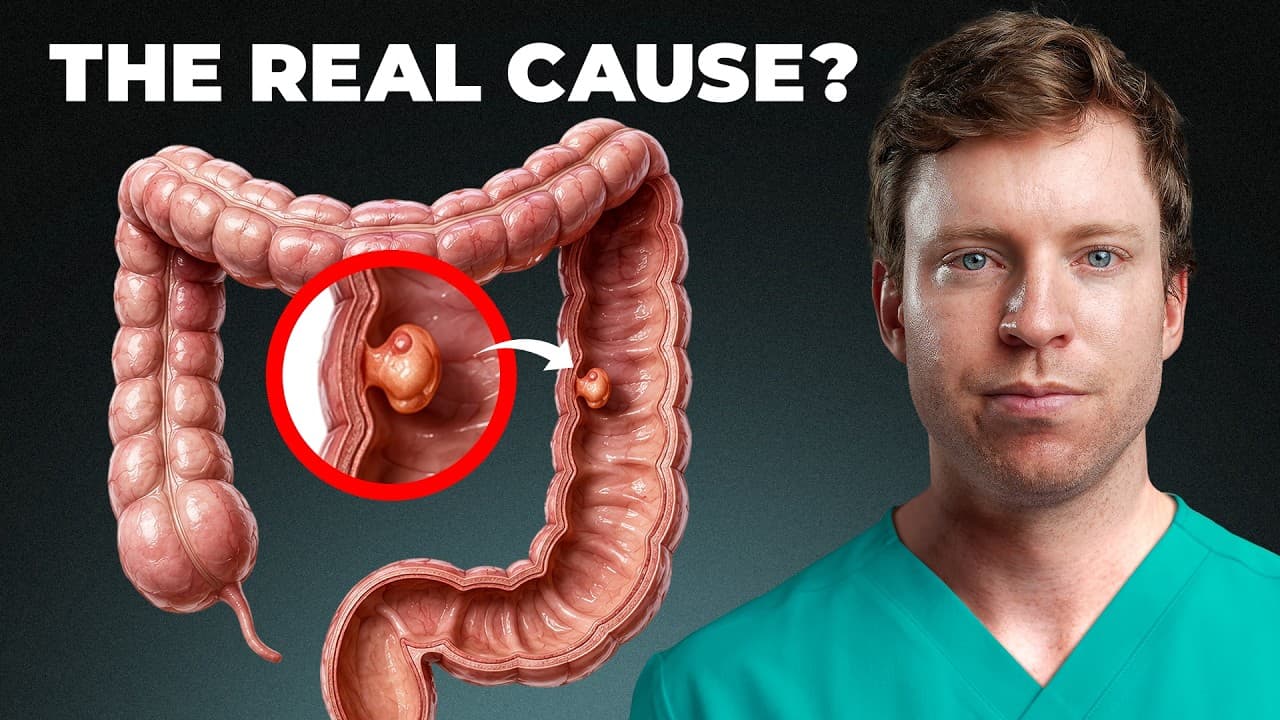
Colon Cancer Surge: What’s Driving the Alarming Rise?
Colon cancer rates are climbing—especially in adults under 50—and a new video explores the potential culprits behind this troubling trend. While the piece doesn’t offer peer-reviewed data, it raises awareness about diet, sedentary lifestyles, processed meat consumption, and the gut microbiome as key suspects.
Researchers are investigating how ultra-processed foods, low fiber intake, and antibiotic overuse may disrupt gut health and promote inflammation, creating a fertile ground for cancer development. Obesity and type 2 diabetes, both on the rise, are also linked to increased colorectal cancer risk.
While the video lacks scientific depth, it highlights an urgent public health issue: we must rethink our diets and lifestyles not just for weight or heart health—but for cancer prevention.
**Rising colon cancer rates in younger adults may be linked to modern diets, obesity, and gut microbiome disruption—lifestyle factors within our control.**
Watch the full analysis
Colon Cancer Surge: What’s Driving the Alarming Rise?
Graves’ Disease Recovery: One Patient’s Journey, Not Medical Advice
A personal story of overcoming hyperthyroidism and Graves’ disease has gained traction online, detailing lifestyle changes, supplements, and dietary shifts that the individual credits for their recovery. While inspiring, such anecdotes cannot replace clinical evidence and may mislead viewers seeking medical solutions.
Graves’ disease is a serious autoimmune condition requiring medical management—typically antithyroid drugs, radioactive iodine, or surgery. While stress reduction and nutrition support overall health, there’s no robust evidence that supplements or diets can cure autoimmune hyperthyroidism.
Patient stories have value in fostering community and hope, but they must be framed carefully. Personal success does not equal proven treatment. Always consult a healthcare provider before making changes to thyroid therapy.
**Personal recovery stories from Graves’ disease can be inspiring but are not substitutes for evidence-based medical treatment.**

Watch the full analysis
Graves’ Disease Recovery: One Patient’s Journey, Not Medical Advice
Selenium in Pregnancy: No Clear Benefit for Thyroid Autoimmunity
Pregnancy can trigger or worsen autoimmune thyroid conditions like Hashimoto’s, leading some to advocate for selenium supplementation. However, the SERENA trial—a randomized, double-blind, placebo-controlled study—found no significant benefit of selenium in reducing thyroid autoimmunity during or after pregnancy.
Women with autoimmune thyroiditis who took selenium showed no meaningful improvement in antibody levels or thyroid function compared to placebo. This aligns with broader findings that selenium’s impact, while biologically plausible, often fails to translate into clinical outcomes.
For pregnant women with thyroid issues, the priority remains stable thyroid hormone levels through levothyroxine, not unproven supplements.
**Selenium supplementation during pregnancy does not significantly reduce thyroid autoimmunity in women with autoimmune thyroiditis.**
Read the full study review
Selenium in Pregnancy: No Clear Benefit for Thyroid Autoimmunity
**Selenium supplementation during pregnancy does not significantly reduce thyroid autoimmunity in women with autoimmune thyroiditis.**
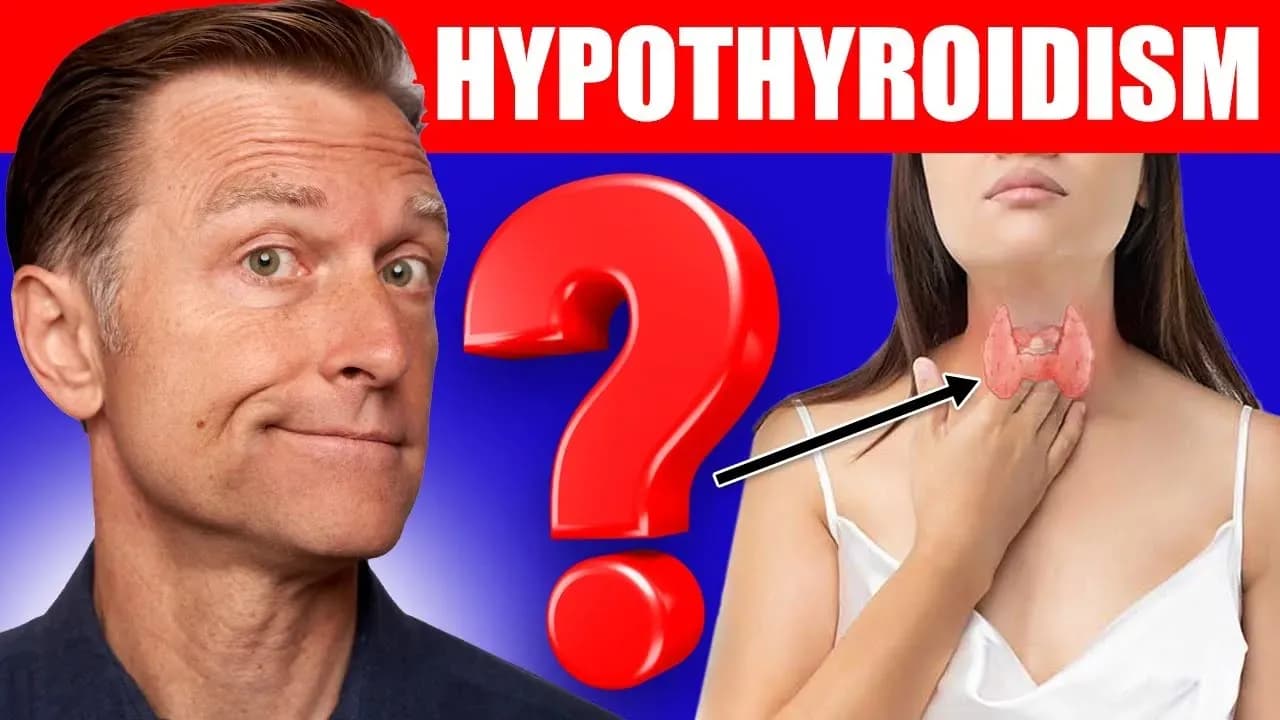
The #1 Nutrient for Hypothyroidism? Not So Fast.
A popular video claims to reveal the '#1 most important nutrient' for hypothyroidism—implying a simple fix for a complex condition. While the video likely points to selenium, the evidence doesn’t support such bold claims.
As multiple studies show, selenium may reduce antibodies slightly, but it doesn’t improve symptoms, hormone levels, or medication needs for most patients. The thyroid is sensitive to nutrient status, but deficiency is rare in well-nourished populations.
Labeling any single nutrient as 'the most important' oversimplifies autoimmune disease and may lead patients to overlook proven treatments. Always question sensational health claims—especially when they promise easy answers.
**No single nutrient, including selenium, has been proven to significantly improve hypothyroidism symptoms or function in the absence of deficiency.**
Watch the full analysis
The #1 Nutrient for Hypothyroidism? Not So Fast.
The bottom line
Today’s findings paint a clear picture: biology is complex, and simple fixes rarely work. From selenium’s underwhelming performance in thyroid health to the myth of superior fasting protocols, the data reminds us that real progress lies in rigorous science—not sensational claims. Whether it’s managing autoimmune disease or preventing cancer, sustainable health comes from evidence, not anecdotes.
Topics
Sources & References
The #1 Nutrient for Hypothyroidism? Not So Fast.
**No single nutrient, including selenium, has been proven to significantly improve hypothyroidism symptoms or function in the absence of deficiency.**
Colon Cancer Surge: What’s Driving the Alarming Rise?
**Rising colon cancer rates in younger adults may be linked to modern diets, obesity, and gut microbiome disruption—lifestyle factors within our control.**
Graves’ Disease Recovery: One Patient’s Journey, Not Medical Advice
**Personal recovery stories from Graves’ disease can be inspiring but are not substitutes for evidence-based medical treatment.**
Selenium Fails to Boost Quality of Life in Hypothyroid Patients
**Selenium supplementation does not improve quality of life, hormone conversion, or medication needs in autoimmune hypothyroidism, despite increasing serum selenium levels.**
4:3 Intermittent Fasting No Better Than Daily Calorie Cutting
**4:3 intermittent fasting produces no greater weight loss than daily calorie restriction over 12 months when combined with behavioral support.**
Selenium in Pregnancy: No Clear Benefit for Thyroid Autoimmunity
**Selenium supplementation during pregnancy does not significantly reduce thyroid autoimmunity in women with autoimmune thyroiditis.**
Selenium and Thyroid Health: What the Autoimmune Link Really Means
**While selenium is critical for thyroid function and concentrated in thyroid tissue, most hypothyroid patients in developed countries do not benefit from supplementation.**
Selenium Reduces Thyroid Antibodies—but Doesn’t Change Outcomes
**Selenium reduces TPO antibodies by 19% but does not improve thyroid hormone levels, medication needs, or clinical outcomes in hypothyroid patients.**