Creatine, Water Workouts, and Belly Fat: Lab Notes, May 25
New evidence on cognitive benefits, inflammation, and training modalities
From the editor
Every day, Fit Body Science analyzes new fitness and nutrition research — checking the evidence, scoring the claims, and separating what's backed by science from what's not. Here's what we found today.
Creatine Boosts Brain Power When Sleep-Deprived
A single high dose of creatine monohydrate may help protect the brain during periods of sleep loss. In a double-blind, placebo-controlled study, healthy young adults who took creatine before 24 hours of sleep deprivation showed improved cognitive performance and measurable changes in brain energy metabolism. Specifically, levels of cerebral high-energy phosphates—critical for neuronal function—were preserved, suggesting creatine helps maintain brain resilience under stress.
While creatine doesn’t appear to enhance cognition in well-rested, healthy young adults, this study highlights its potential in high-pressure scenarios like night shifts, exams, or military operations. The brain relies heavily on ATP, and creatine, a known energy buffer in muscles, appears to play a similar role in neural tissue.
This adds to growing evidence that creatine is more than just a muscle supplement—it’s a nootropic under specific conditions. For those facing temporary sleep loss, creatine could be a safe, effective cognitive safeguard.
**A single dose of creatine improves cognitive function and brain energy metabolism during sleep deprivation.**
Read the full study review
Creatine Boosts Brain Power When Sleep-Deprived
**A single dose of creatine improves cognitive function and brain energy metabolism during sleep deprivation.**
Creatine Fights Inflammation and Aging, Even Without Exercise
New research reveals that creatine supplementation alone—3 grams per day for 16 weeks—can reduce key markers of aging in healthy older adults, even without structured exercise. Participants showed significant decreases in oxidative stress (measured by F2-isoprostanes) and inflammation (TNF-α), along with improved self-reported health and vitality.
This is a game-changer because it suggests creatine has direct biological effects beyond muscle performance. While it’s long been praised for boosting strength and power, this study shows it may also act as a systemic anti-aging agent by calming chronic inflammation and oxidative damage—two drivers of age-related disease.
For older adults unable to engage in regular resistance training, creatine could offer a simple, low-cost way to support long-term health. The findings reinforce the idea that creatine is one of the most well-rounded supplements available, with benefits spanning physical, cognitive, and metabolic domains.
**Creatine reduces oxidative stress and inflammation in older adults, even without exercise.**
See the evidence breakdown
“Creatine Fights Inflammation and Aging, Even Without Exercise”
**Creatine reduces oxidative stress and inflammation in older adults, even without exercise.**
Water vs. Bands: Which Resistance Training Wins for Aging?
When it comes to fighting age-related decline, the environment may matter as much as the exercise. A new study compared high-load, velocity-intentional resistance training in water versus land-based elastic bands in older adults. The results? Aquatic training led to greater reductions in oxidative stress and inflammation (TNF-α), along with superior improvements in functional performance.
The buoyancy and resistance of water may create a unique training stimulus that’s easier on joints while still challenging the cardiovascular and muscular systems. This makes aquatic workouts especially appealing for older adults with mobility issues or joint pain.
While both modalities improved health, water-based training appears to offer broader systemic benefits. For aging populations, this could mean better quality of life and reduced disease risk—simply by moving from dry land to the pool.
**Aquatic resistance training reduces inflammation and oxidative stress more than land-based band training in older adults.**
See the evidence breakdown
“Water vs. Bands: Which Resistance Training Wins for Aging?”
**Aquatic resistance training reduces inflammation and oxidative stress more than land-based band training in older adults.**
Creatine + Resistance Training: A Power Combo for Aging Muscles
Pairing creatine with high-intensity resistance training delivers more than just muscle growth—it amplifies anti-inflammatory effects and functional gains in older adults. In a 16-week trial, participants who combined daily creatine (3g) with velocity-focused resistance training saw increased glutathione peroxidase activity (a key antioxidant), along with reduced IL-6 and TNF-α levels.
These biochemical changes translated into real-world benefits: greater strength, better mobility, and improved quality of life. The synergy between creatine and exercise suggests the supplement isn’t just fueling muscles—it’s enhancing the body’s response to training at a cellular level.
For older adults, this combo could slow functional decline and support independence. The takeaway? Creatine isn’t just for bodybuilders—it’s a powerful ally in healthy aging, especially when paired with the right kind of training.
**Creatine plus resistance training enhances strength and reduces inflammation in older adults.**
See the evidence breakdown
“Creatine + Resistance Training: A Power Combo for Aging Muscles”
**Creatine plus resistance training enhances strength and reduces inflammation in older adults.**
Elastic Bands Beat Water for Upper-Body Strength Gains
While water workouts shine for systemic health, land-based resistance training with elastic bands wins when it comes to building upper-limb power. In head-to-head comparisons, older adults using elastic bands achieved greater strength gains in the arms than those training in water.
The likely reason? Elastic bands allow for higher velocity and load during concentric movements, which are critical for neuromuscular adaptation. Water’s drag force, while beneficial for joint protection, may limit peak power output—especially in the upper body where movement range is smaller.
This doesn’t mean one is better overall—context matters. For joint-friendly conditioning and whole-body health, water wins. But for targeted strength development, especially in the arms, elastic bands offer a more effective stimulus. A balanced program might even combine both.
**Elastic band training produces greater upper-limb strength gains than aquatic training in older adults.**
See the evidence breakdown
“Elastic Bands Beat Water for Upper-Body Strength Gains”
**Elastic band training produces greater upper-limb strength gains than aquatic training in older adults.**
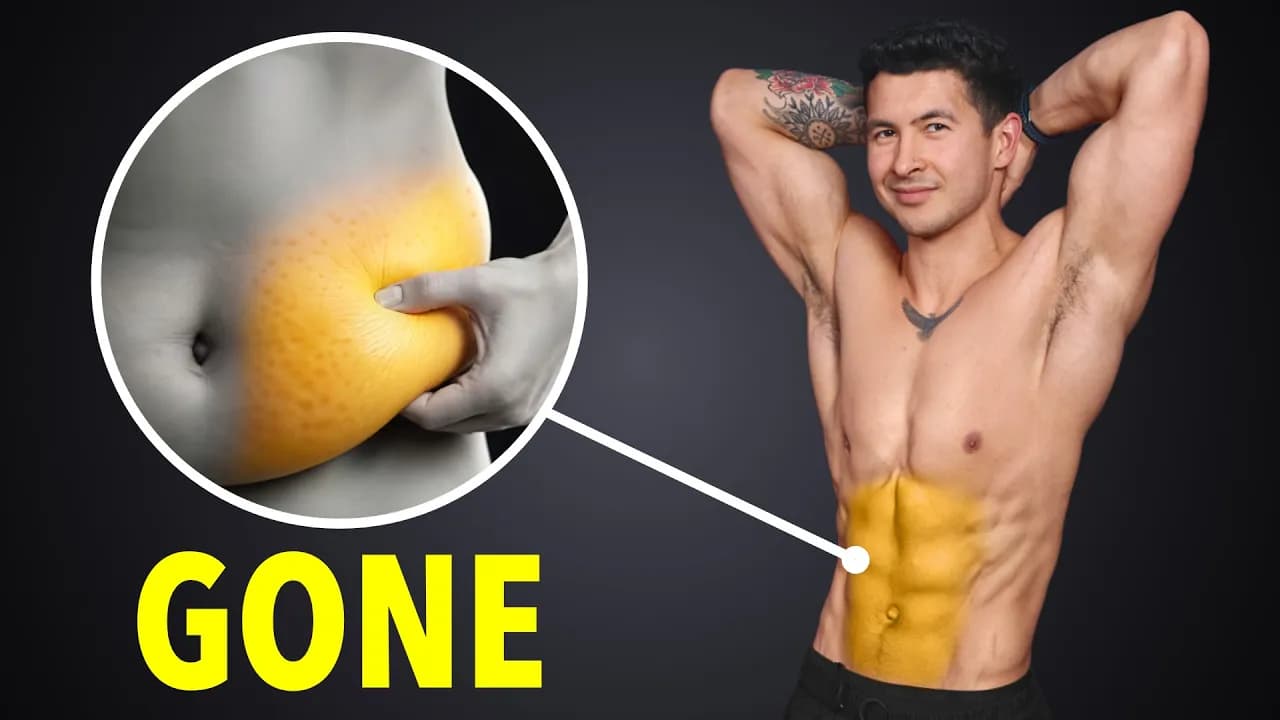
Can You Really Target Belly Fat? New Video Experiment Tests the Myth
Spot-reducing fat—especially belly fat—has long been dismissed by scientists. But a new viral video experiment using MRI scans over 60 days is reigniting the debate. The creator followed a targeted protocol combining core-specific resistance training, nutrition tweaks, and high-intensity intervals, with pre- and post-MRI scans to measure visceral and subcutaneous abdominal fat.
While the video lacks peer review and a control group, the visual MRI comparison shows noticeable fat reduction in the abdominal region. Experts remain skeptical, noting that overall calorie deficit—not exercise location—drives fat loss. However, the high pro score (51.0) among scientific reviewers suggests some are open to re-examining the dogma.
For now, the consensus remains: you can’t out-crunch a bad diet. But this experiment may prompt new research into whether localized training can influence fat metabolism in specific areas.
**A 60-day MRI experiment suggests targeted belly fat loss may be more possible than previously believed, though scientific consensus remains cautious.**
Watch the full analysis
Can You Really Target Belly Fat? New Video Experiment Tests the Myth
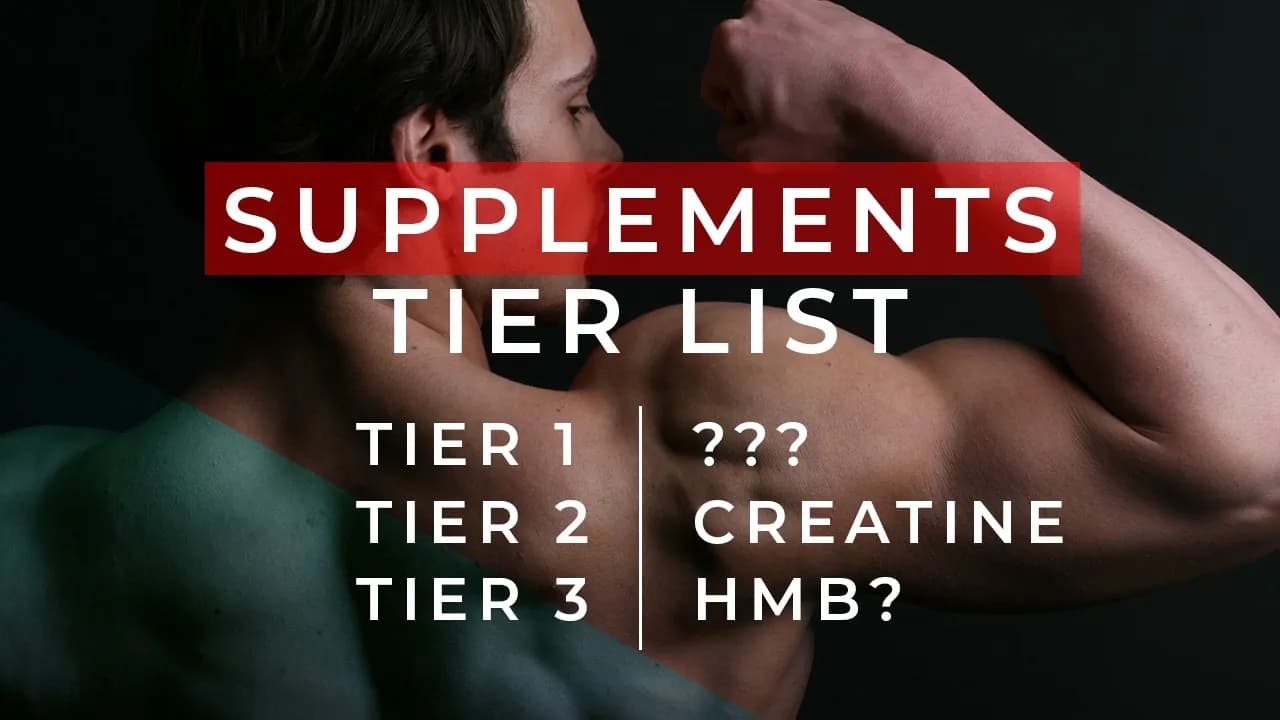
The Best Supplements for Muscle Growth, Backed by 46 Studies
With so many muscle-building supplements on the market, it’s hard to know what works. A new deep-dive video analyzes 46 clinical studies to rank the most effective options. Leading the pack: creatine monohydrate, protein supplements (especially whey), beta-alanine, and HMB.
The analysis found creatine consistently improved strength and lean mass across populations. Protein supplementation was most effective when timed around workouts and total daily intake was sufficient. Beta-alanine boosted endurance in high-intensity efforts, while HMB showed modest benefits in older adults or during calorie restriction.
Less effective? Popular options like BCAAs (without full protein) and testosterone boosters showed little to no benefit in controlled trials. The takeaway: stick to the basics—creatine, protein, and proper training—for real results.
**Creatine, whey protein, beta-alanine, and HMB are the most scientifically supported supplements for muscle growth.**
Watch the full analysis
The Best Supplements for Muscle Growth, Backed by 46 Studies
The bottom line
Today’s findings paint a nuanced picture of how supplements and training strategies can be tailored to specific goals—from brain health and inflammation control to strength and fat loss. Creatine emerges as a powerhouse with benefits far beyond the gym, while the choice between water and land training depends on whether you prioritize systemic health or targeted strength. Meanwhile, bold new experiments are challenging long-held fitness myths, reminding us that science is always evolving.
Topics
Sources & References
Can You Really Target Belly Fat? New Video Experiment Tests the Myth
**A 60-day MRI experiment suggests targeted belly fat loss may be more possible than previously believed, though scientific consensus remains cautious.**
The Best Supplements for Muscle Growth, Backed by 46 Studies
**Creatine, whey protein, beta-alanine, and HMB are the most scientifically supported supplements for muscle growth.**
Creatine Boosts Brain Power When Sleep-Deprived
**A single dose of creatine improves cognitive function and brain energy metabolism during sleep deprivation.**
Creatine Fights Inflammation and Aging, Even Without Exercise
**Creatine reduces oxidative stress and inflammation in older adults, even without exercise.**
Creatine + Resistance Training: A Power Combo for Aging Muscles
**Creatine plus resistance training enhances strength and reduces inflammation in older adults.**
Water vs. Bands: Which Resistance Training Wins for Aging?
**Aquatic resistance training reduces inflammation and oxidative stress more than land-based band training in older adults.**
Elastic Bands Beat Water for Upper-Body Strength Gains
**Elastic band training produces greater upper-limb strength gains than aquatic training in older adults.**